
-

Uncontested vs. Contested Divorce in Annapolis: Why “Simple” Can Turn Complicated
Key Takeaways The real difference between a contested and uncontested divorce in Maryland comes down to agreement. Spouses who settle every issue can file for mutual consent with no waiting period and often finalize within a few months at a modest cost. When spouses disagree, litigation can stretch past a year and drive legal fees…
-

How Annapolis HOA Boards Can Enforce Covenants Without Getting Sued?
Key Takeaways The safest way for an Annapolis HOA board to enforce covenants is to treat every violation as a process, not a personal dispute. Lawsuits often arise when a board skips a step, overlooks a similar violation down the street, or misses a legal limit on its authority. A documented, predictable process protects both…
-

Divorce and Stock Options in Maryland: Division of Marital Property
Key Takeaways Stock options a spouse receives from an employer during the marriage are at least partly marital property in Maryland, even if they cannot be exercised until years after the divorce. What matters is the date the options were granted, not when they vest or whose name is on the plan. Options granted before…
-

Valuing a Business in an Annapolis Divorce: What Litigators Look For
Key Takeaways During divorce proceedings, experienced Annapolis divorce lawyers closely examine when a spouse’s business started, how marital funds helped it grow, and its current value. Maryland courts rarely split the company itself, although they can order a monetary award based on its marital value. Valuation methods, goodwill rules, and hidden income can swing that…
-
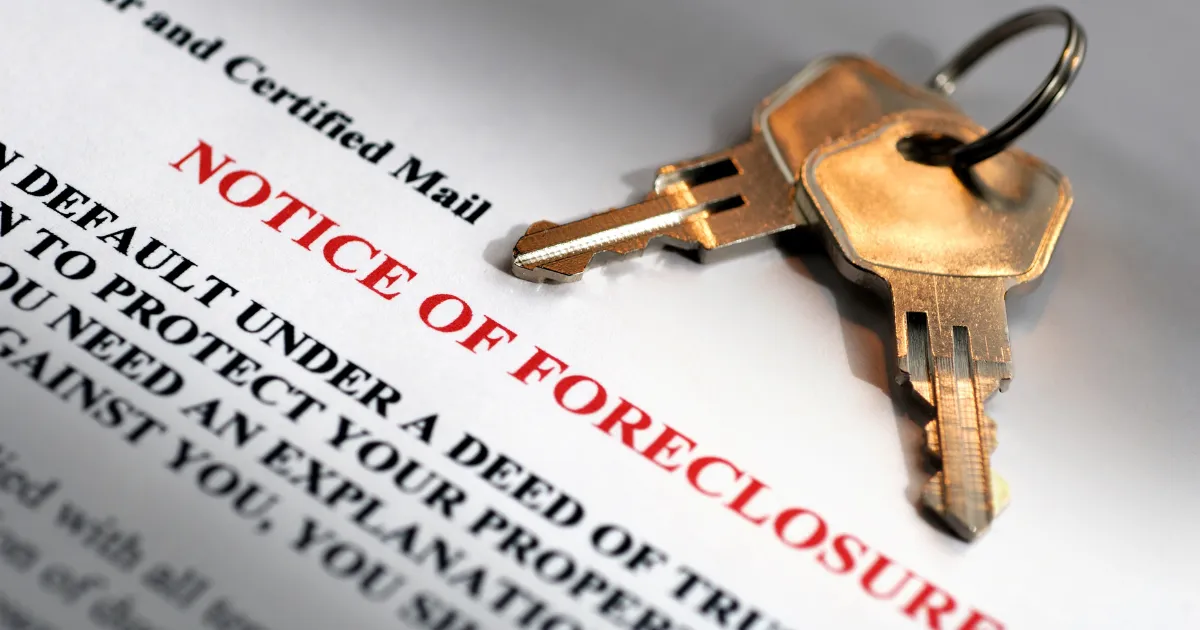
Can a Maryland HOA Foreclose Over Unpaid Dues? An Annapolis Board Member’s Guide
Key Takeaways Maryland HOA lawyers at Oliveri & Larsen help boards and homeowners navigate assessment liens and foreclosure protections. Foreclosure is not an immediate response to a missed payment. Maryland requires specific steps, accurate records, and separation of foreclosable amounts. Can an HOA Really Foreclose in Maryland? Yes. Maryland’s Homeowners Association Act allows an HOA…
-
Fannie Mae’s 15% Reserve Requirement for Condominiums: What Associations Need to Know for 2027
Fannie Mae requires condominium associations to allocate at least 10% of their annual budgeted assessment income to replacement reserves, increasing to 15% starting January 4, 2027. [1, 2] Key Reserve Requirements Using a Reserve Study as an Alternative If an association does not meet the strict percentage contribution in its annual budget, lenders can look…