
What Happens When You Are Delinquent on Your HOA Dues?
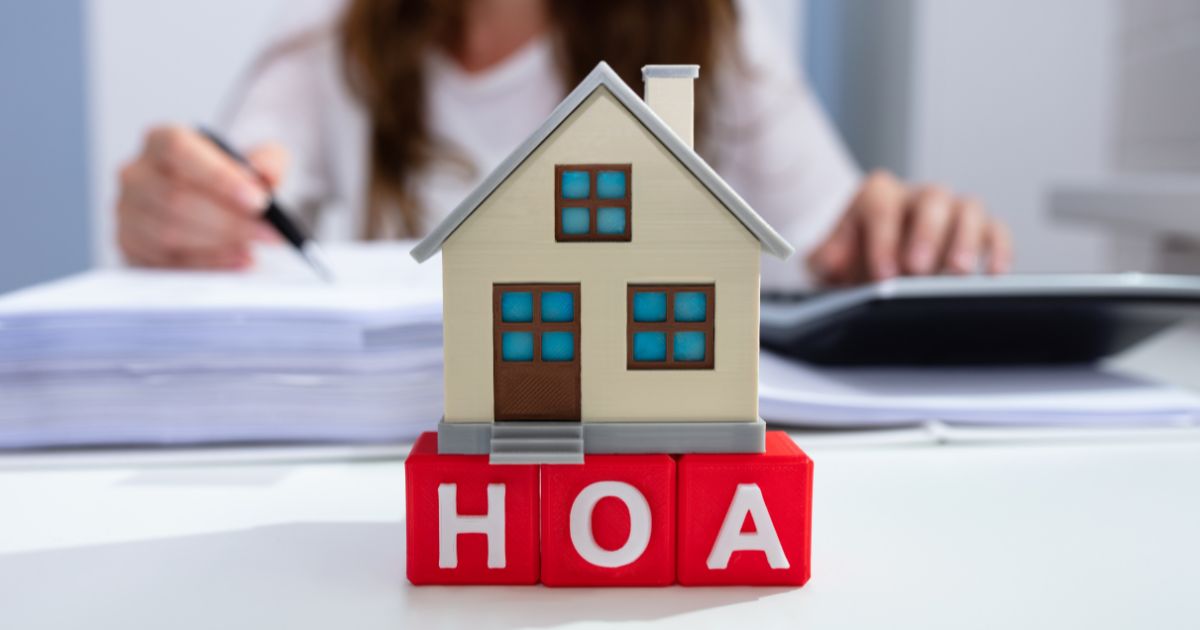
By collecting dues from residents, HOAs are able to maintain common areas, cover shared expenses, and help protect property values. While most homeowners pay these dues on time, some may fall behind due to financial challenges or misunderstandings. If you find yourself delinquent on your HOA dues, it is important to understand what this means and what consequences may follow.
Why Are HOA Dues Important?
HOA dues represent each homeowner’s share of the financial responsibilities within the community. These dues typically cover expenses such as landscaping, snow removal, road maintenance, clubhouse operations, or even insurance for shared property. Without regular contributions, the HOA cannot effectively manage these tasks.
When dues go unpaid, the association’s budget becomes strained. As a result, the HOA may be forced to raise fees for other homeowners or reduce services. This is why HOAs take delinquent payments very seriously.
What Happens if You Miss a Payment?
The first consequence of missing an HOA payment is usually a late fee. Most HOAs outline in their governing documents how quickly fees are applied and how much they will cost. Interest may also accrue on the outstanding balance. Even a single missed payment can grow significantly over time if it is not promptly resolved.
If dues remain unpaid, the HOA may send notices reminding you of the delinquency. These notices often escalate in tone and may include additional collection costs. The goal is typically to encourage payment before more serious enforcement measures become necessary. However, if ignored, the situation may progress further.
An HOA Can Place a Lien or Pursue Legal Action
A “lien” is a legal claim against your home, making it difficult to sell or refinance until the debt is satisfied. This is one of the most powerful tools available to HOAs because it secures repayment directly from the property itself.
In some situations, the HOA may also pursue legal action to collect the overdue amount. This could involve obtaining a judgment in court, which might allow for wage garnishment or bank account levies depending on the circumstances. While foreclosure is less common, Maryland law does permit an HOA to initiate foreclosure proceedings in cases of significant delinquency. This makes ignoring unpaid dues extremely risky.
Options Homeowners Have if They Fall Behind
If you are struggling to pay your HOA dues, communication is key. Reaching out to the board or management company early may help you arrange a payment plan. Many HOAs prefer to work with homeowners rather than escalate the situation. Ignoring the problem often makes matters worse and reduces the options available.
You may also wish to review your HOA’s governing documents. These rules typically outline exactly how dues are assessed, when they are due, and what procedures apply if payments are missed. Understanding these details can help you anticipate what may happen next and prepare an appropriate response.
Finally, seeking legal guidance may be an important step if the HOA has already placed a lien, filed a lawsuit, or begun foreclosure proceedings. A knowledgeable lawyer can explain your rights, review the HOA’s actions for compliance, and help you determine the best course of action for resolving the debt.
Annapolis HOA Lawyers at Oliveri & Larsen Can Help Protect Your Rights if You Are Having Difficulty Paying Your HOA Dues
If you are facing issues with HOA dues in Maryland, do not ignore them. Speak with the Annapolis HOA lawyers at Oliveri & Larsen today. Contact us online or call 410-295-3000 to schedule your initial consultation with our experienced team. Located in Annapolis, Maryland, we proudly serve clients throughout the state.