-
How Do I Protect My Intellectual Property?
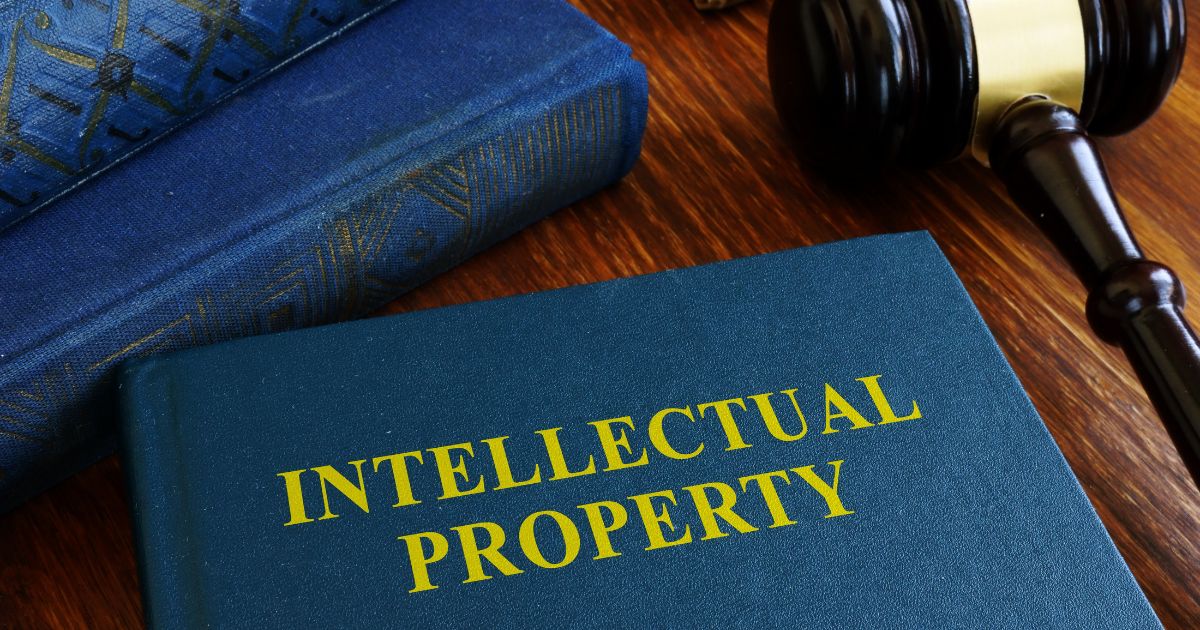
Intellectual property (IP) can be a foundation for significant monetary rewards. Yet, it is vital to set up adequate protections when it has that kind of value. As technology evolves, safeguarding IPs is more complex than ever. Copyrights A copyright is used to protect written and artistic work. Once enacted, it lasts for the creator’s…
-
How Can I Ensure My Small Business Is Legally Compliant?

As a small business owner, you have likely invested a significant amount of time, money, and effort into building and growing your enterprise. While your focus may be on attracting customers and generating revenue, it is crucial not to overlook the importance of legal compliance. Ensuring that your business operates within the bounds of the…
-
Top Legal Factors to Consider When Forming a Business

Starting a business is an exciting time for any entrepreneur. Still, it is essential to ensure you are taking all the necessary legal steps to protect your business and avoid potential legal issues. As a new business owner, it can be challenging to navigate the complex world of business law. There are several things to…
-
How Do I Buy My Partner’s Share of the Business?

When two partners go into business together, it is often with the intention of splitting the profits, sharing responsibilities, and working as equal stakeholders in the success of their venture. Sometimes, things do not work out as planned, and one partner may decide they want to buy out the other. If you and your partner…
-
Elements of a Solid Employee Contract

Employee contracts are critical documents for any business or company. They outline essential information about the terms of employment, employee responsibilities, benefits, and dispute resolution. An employee contract protects both the employer and employee by setting clear expectations and obligations. Employment contracts are legally binding and outline the rights and responsibilities of both parties. The…
-
Types of Lawsuits Filed Against Boards of Directors

While corporation boards of directors maintain considerable authority, the ultimate authority is its shareholders, who have a vested interest in the company’s success. Shareholders are individuals, companies, or others who own at least one share of the corporation’s stock, giving them partial ownership in the company. Shareholders have a majority or minority interest in the…